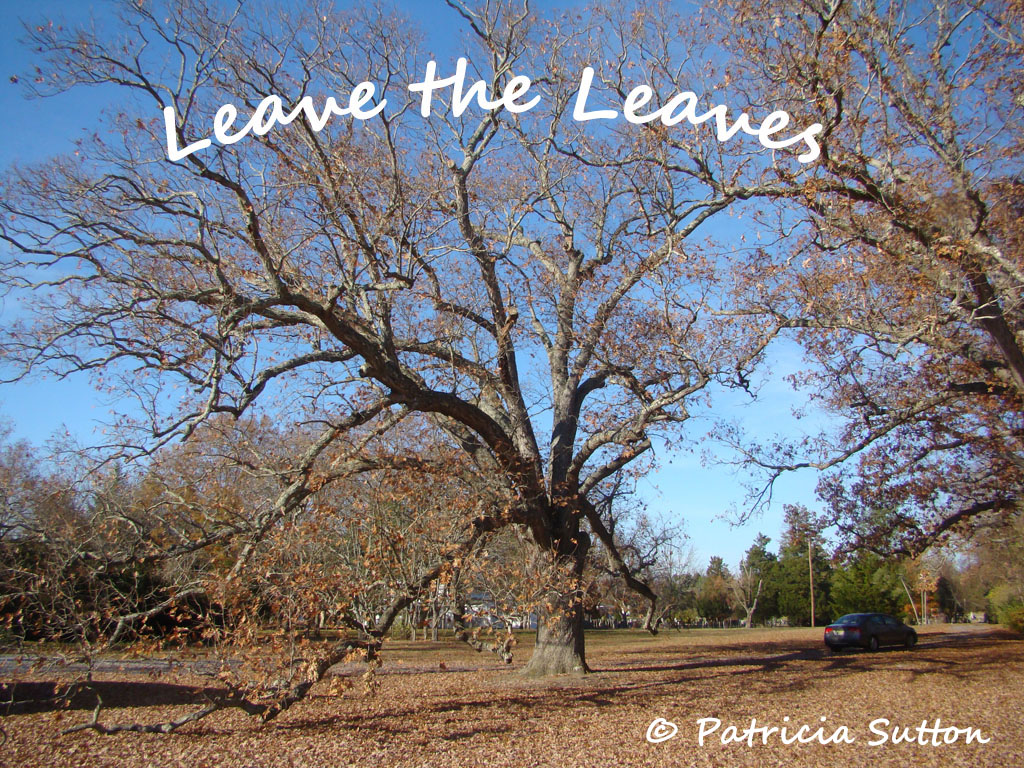
It is common sense to LEAVE THE LEAVES. After all, no one rakes them up in the wild. When we walk a nature trail through a natural area, we do not need to fight our way though mountains of leaves, do we ? ! “Let Nature be the Guide,” Larry Weaner‘s mantra, is spot on when it comes to leaving the leaves.
If you like birds, leaf litter is your friend. Our leaf litter strewn property is a mecca for birds year round, including winter. We’ve hosted several American Woodcock each winter. No matter how severe the winter is, they’ve been able to probe down through our abundant leaf litter into the thawed ground under this thermal blanket of leaves and find one earthworm after the next. Frozen hard, raked bare properties are devoid of feeding opportunities for American Woodcock or American Robins. Too, many normally secretive birds like Hermit Thrush settle in to our yard and are regulars in garden corners with abundant leaf litter. It is great fun to watch them kick and toss leaves aside to find snack after snack.
I had great fun working on and researching this topic for a program that I’ve given a number of times now. It has triggered so many “Ah HA!” moments from audiences and I pray resulted in many more leaves left to do their job.
In this post I have shared the excellent resources that helped me and can help anyone and everyone understand the value of fallen leaves. Read them, study up, digest the information, value and cherish fallen leaves as much as I do, and join those of us working to educate others.
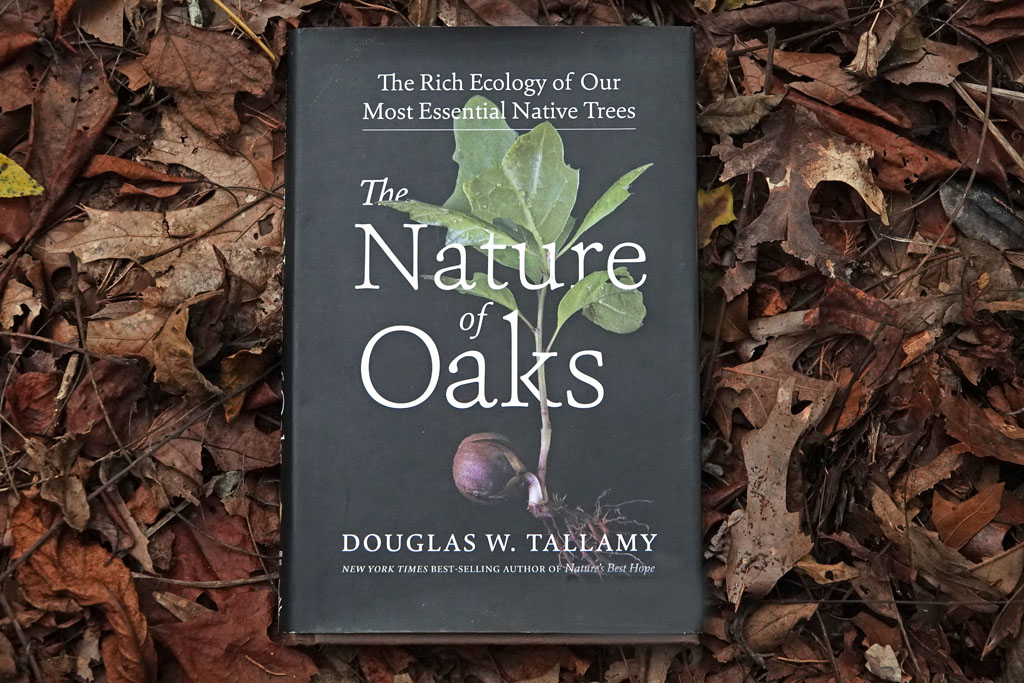 First you’ll want to read Doug Tallamy’s book, The Nature of Oaks. This book richly covers the benefits of oaks and all their leaf litter. If you’ve never heard Doug Tallamy speak about this topic, attend a presentation or google “Doug Tallamy Youtube Nature of Oaks” and watch one of his presentations that occurred in your region. Be sure to listen until the Q&A session when attendees ask the very questions on your mind, like “But, what am I to do with all my Oak leaves?” “Won’t they kill my grass?” etc.
My own woods have very few large oaks. But since we cleared out the invasives (Multiflora Rose and Japanese Honeysuckle) in 2009, many many Southern Red Oaks and 5 Willow Oaks have been planted there by Blue Jays. Some of these oaks are taller than me now. I look forward to mountains of oak leaves as these oaks mature. The deciduous trees and shrubs of my woods include Common Persimmon, Black Cherry, Black Locust, Black Walnut, Sweet Gum, Red Maple, Dwarf Hackberry, Winged Sumac, Arrowwood Viburnum. These all produce abundant leaf litter, but their leaves break down quickly and by spring I see bare ground. As I began planting our reclaimed woods (from invasives) with native shade-loving perennials, I found that I had to weed the woods. Yee gads! Weed the woods, that was the last thing I had time for.
Doug Tallamy shares that oak leaves take longer than other leaves to break down (3 years) and that is why oak leaves are so beneficial and support so much life!
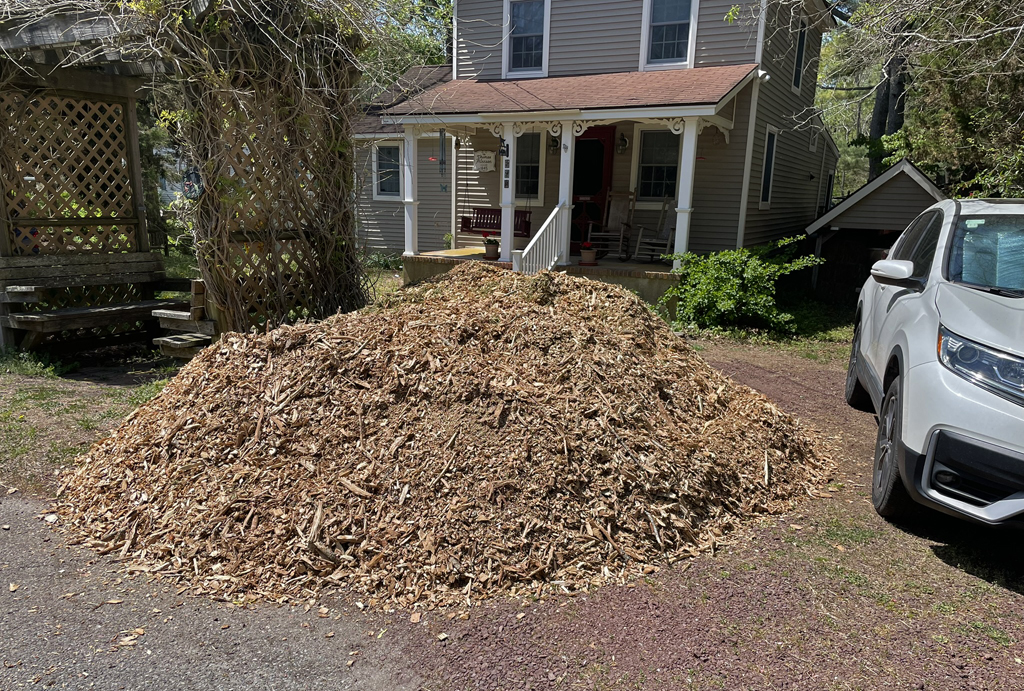
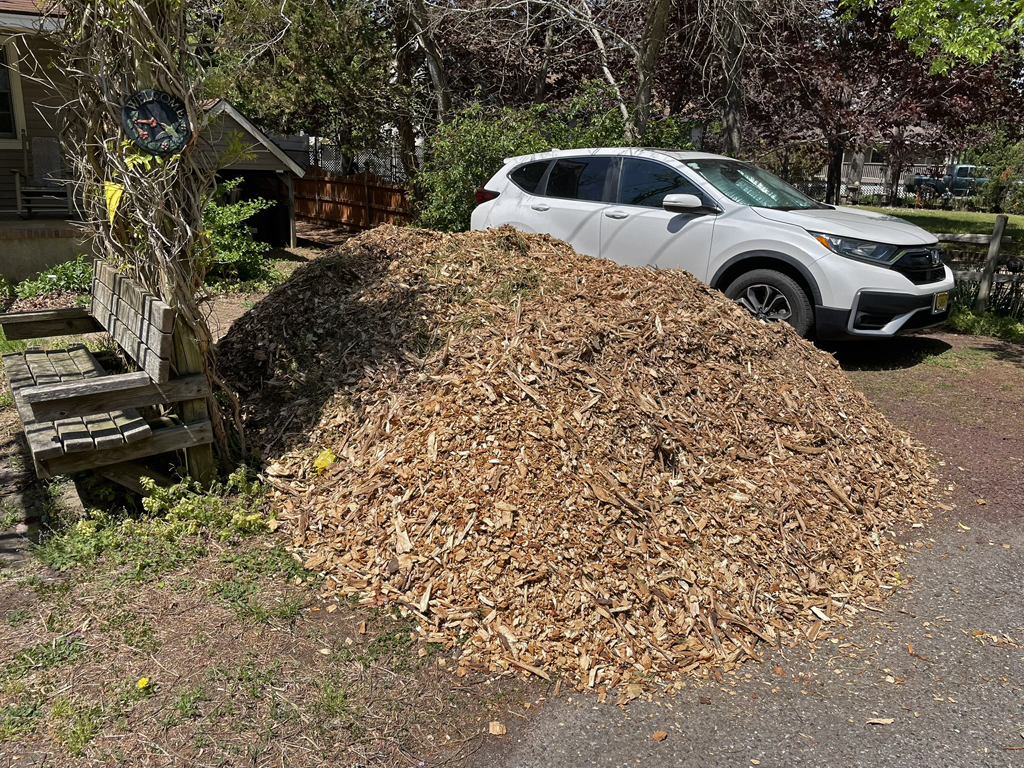
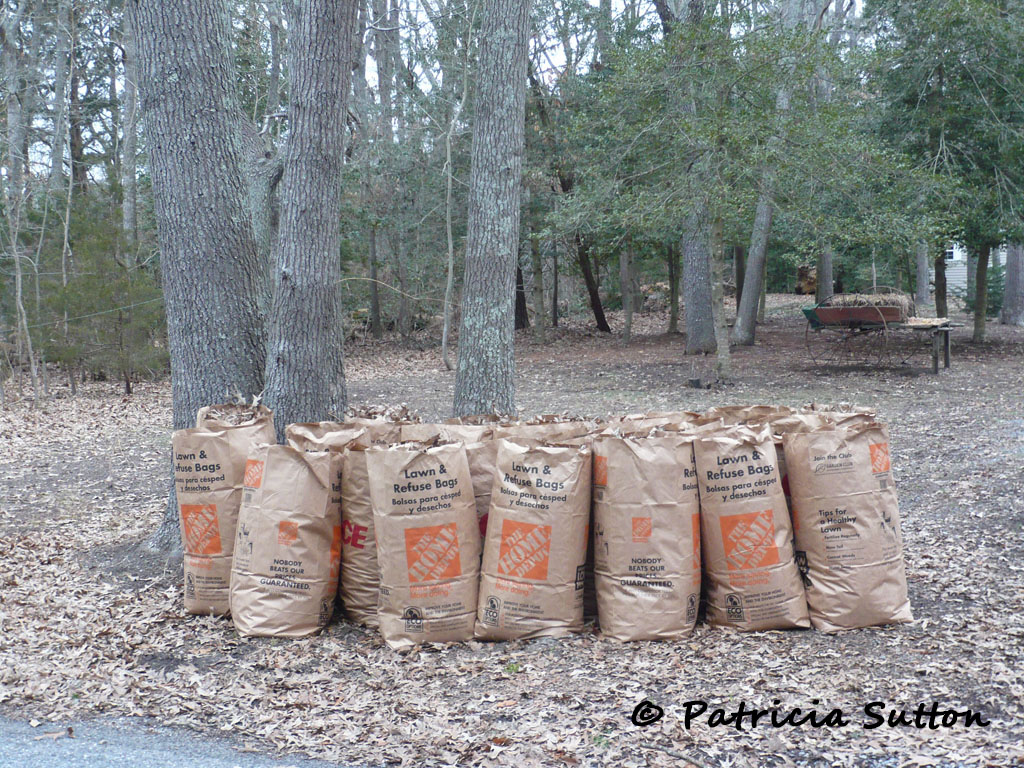
So, each fall between late October and mid November I carve out time to visit cul-de-sacs near me where mountains of oak leaves that have been raked neatly to the curb are ready for the township to cart them away like trash. I take empty trash cans, a rake, and garden gloves. I can fit 4 trash cans into my car. Fall of 2025, in 6 runs I collected 24 trash cans of oak leaves. I wonder how many trash cans of oak leaves I can secure this fall before the township collects them all!
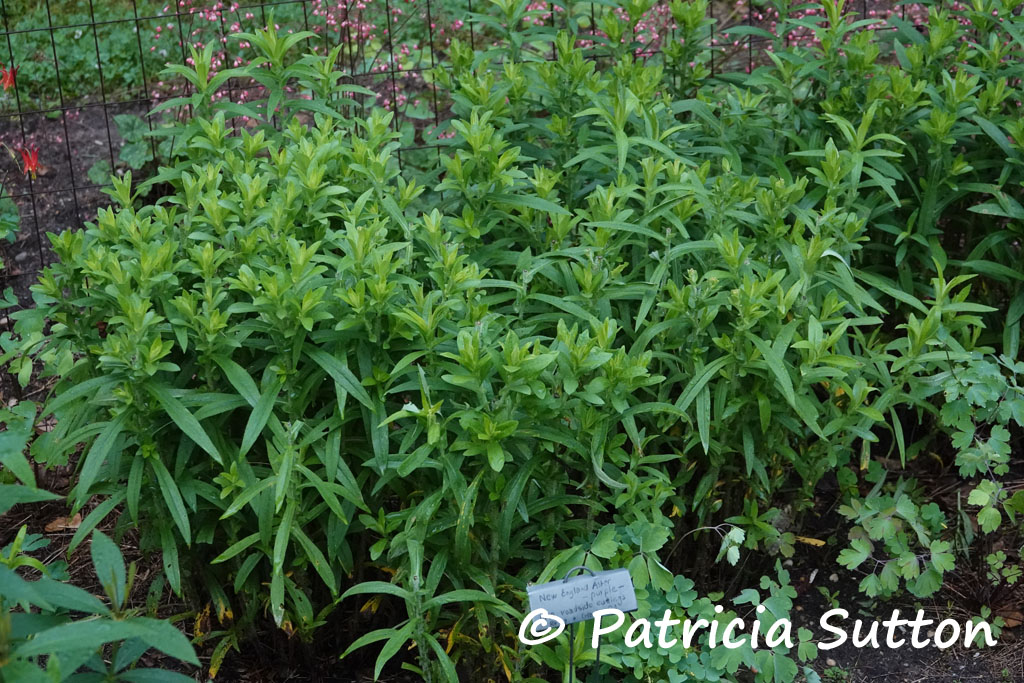
I use these collected oak leaves to bury my woodland spring ephemeral areas with oak leaves. Since I’ve been doing this I haven’t had to weed my woods in the spring. Yay! My spring ephemerals easily bust through the leaves, while weeds can not. Too, the many fall-blooming, shade-loving asters and goldenrods that I’ve planted in my woods have flourished and spread. It is a win win. Of course, I’ve fenced the deer OUT, otherwise none of this would survive.
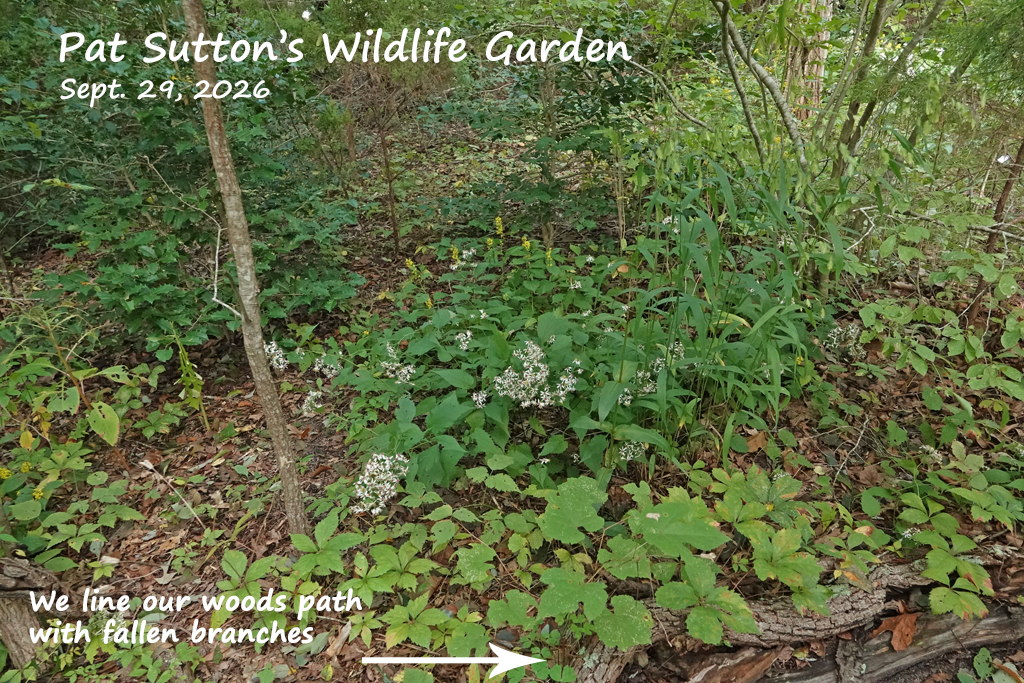
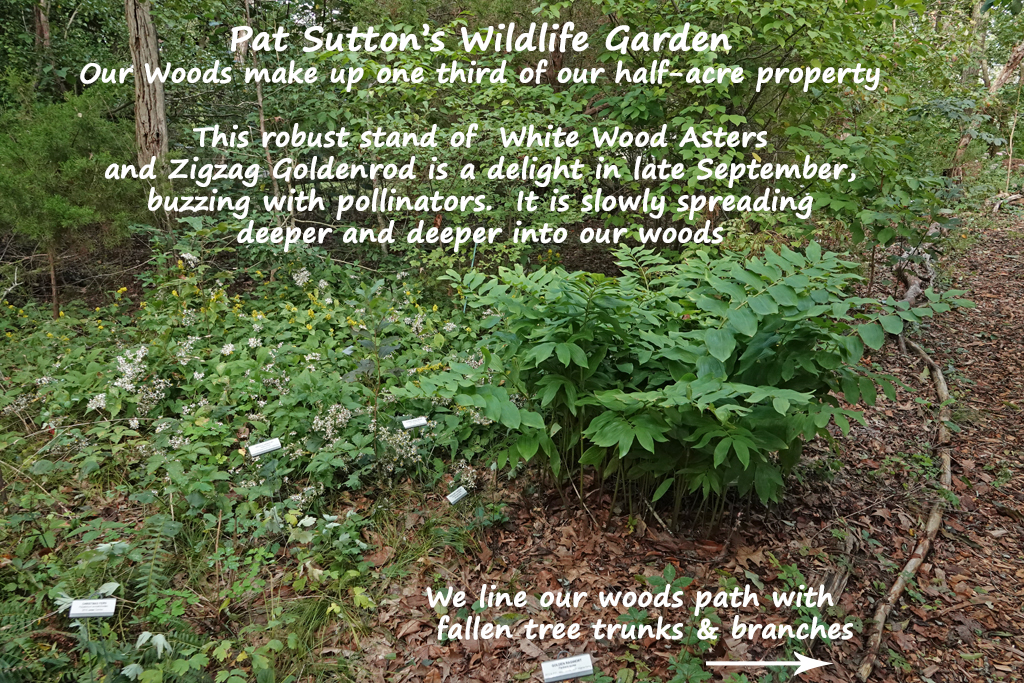
If you like this idea, be cautious and selective; i.e. collect leaves from yards with large oaks and do not collect leaves from yards with problematic invasives that you could be bringing in to your own yard via seed heads.
 While you’re at it, read all 4 of Doug Tallamy’s books. They will change the way you think and act !
Since Doug Tallamy’s first book, Bringing Nature Home, he has shared the top native plants used by butterflies and moths as host plants to create the next generation. Tallamy refers to these plants as the “Keystone Native Plants.” He has partnered with many other organizations, like National Wildlife Federation, to share Keystone Native Plant information across the country.
For an annotated list of the Keystone Native Plants for your area, go to the National Wildlife Federation Garden for Wildlife website. Here you’ll find ten different “Keystone Native Plants” Ecoregion handouts (as of November 2025), with others undoubtedly planned. This plant list should be the backbone of your plantings. If you live in southern New Jersey like me, scroll down to “Eastern Temperate Forests – Ecoregion 8″ (which covers nearly all of the East).
Oaks are the top Keystone Native Plant! Then Black Cherry and Beach Plum. Then Willows. Then Birch. And so on. These are the trees that are supporting many, many hundreds of butterfly and moth species. Value these trees and their fallen leaves.
You will have made your trees “Ecological Traps” if you instead rake up the leaves, bag them, and send them away (along with all the life they hold and support). Of course this is true if you shred your leaves too. Yes, you would be shredding the very life they are supporting. Duh!
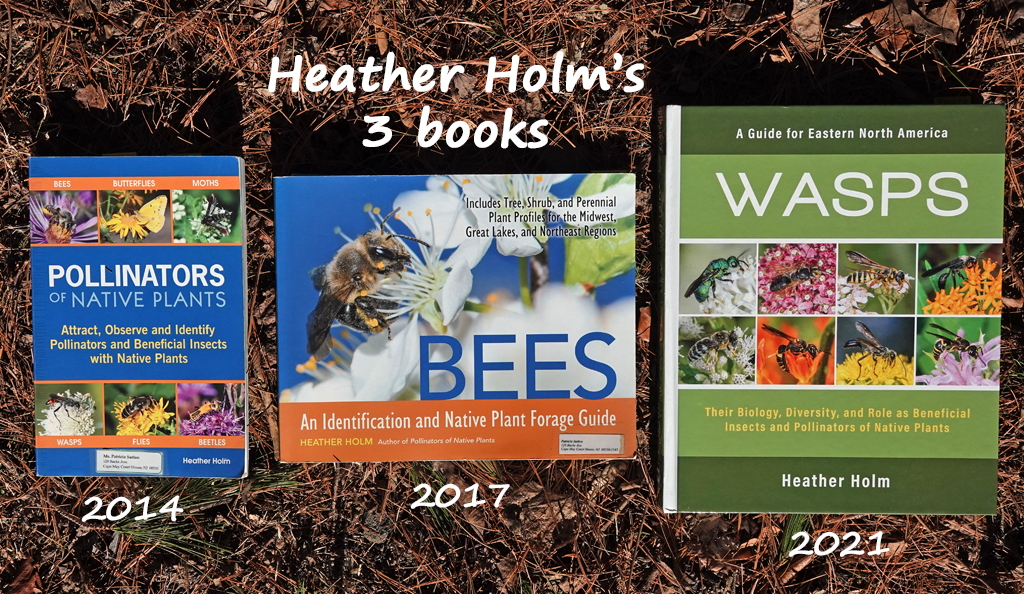
Heather Holm’s 3 books on pollinators of our native plants are beautifully illustrated and packed with natural history information, including where and how our pollinators survive the winter . . . many do so in leaf litter!
Visit Heather Holm’s website and click on the link “Resources” to see her many beautifully illustrated and presented native plant lists, pollinator fact sheets, and posters (many of which are free to download). These materials will further help you understand life cycles of our pollinators and teach others!
Also on Heather Holm’s website, click on her project “Soft Landings.” Soft Landings is all about leaving the leaves and planting layers of diverse native plants under Keystone trees and shrubs rather than maintaining lawn that needs to be mowed. This simple switch to gardening under your keystone trees with shade-loving perennials and understory shrubs provides safe sites where the hundreds of species of butterflies and moths using these Keystone trees and shrubs might complete their life cycle and survive when their caterpillars drop to the forest floor to pupate down in the warmth and safety of the leaves. The downloadable free poster, “Soft Landings” tells the story beautifully. It should convert kids of all ages (yes, I’m talking about big kids too . . . adults) to leave the leaves where they fall.
You’ll certainly want to read Max Ferlauto and Karin T. Burghardt’s enlightening, fact-filled study, “Removing autumn leaves in residential yards reduces the spring emergence of overwintering insects,” in Science of the Total Environment, March 20, 2025. Among many other things, they documented that “raking leaves reduced Lepidoptera species (butterflies and moths) richness by 40 % and abundance by 45 %. You’ll also want to listen to the Margaret Roach (“A Way to Garden”) interview with Max Ferlauto, “Calculating the impact of leaving the leaves.” (many thanks to Garden Gang member, Carole Tebay, for alerting me to this study and Margaret Roach’s interview)
The Xerces Society’s post, “Leave the Leaves,” is an excellent read addressing those fallen leaves as “free mulch” and helping to answer questions people have, like whether or not to shred their leaves. The Xerces Society also sells a very attractive Leave the Leaves SIGN, that might help trigger conversations with neighbors, co-workers, friends, and family, conversations that might help them “get it!” and finally understand.
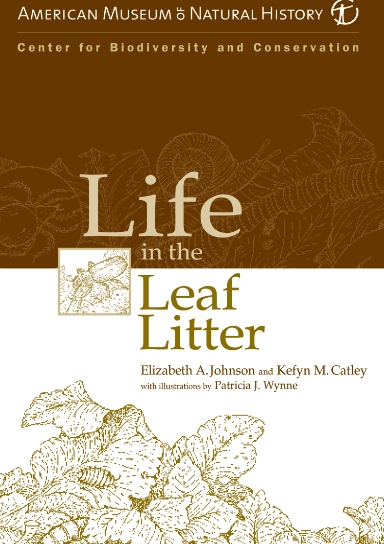
One more excellent resource to better understand why you want to leave the leaves is the booklet “Life in the Leaf Litter,” by Johnson and Catley, published by the American Museum of Natural History and available on their website as a free download.
I am so heartened by the continued focus on leaving the leaves, including Margaret Roach’s October 8, 2025, article in the NY Times, “Why Leaving the Leaves Is Better for Your Yard.”
Shade Gardening in Your Leaf Litter
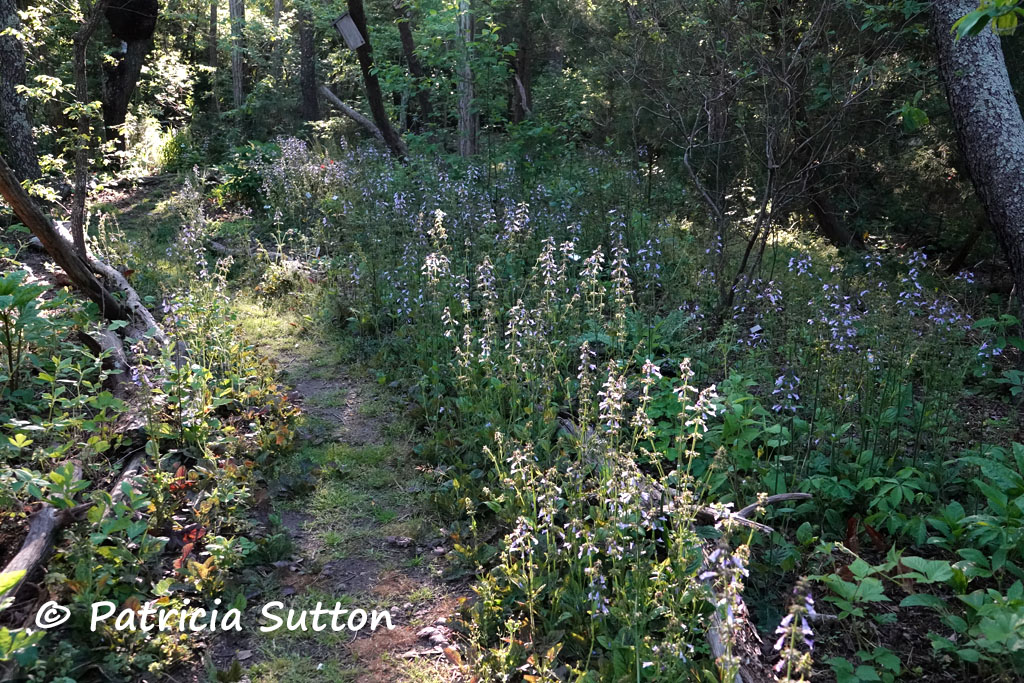
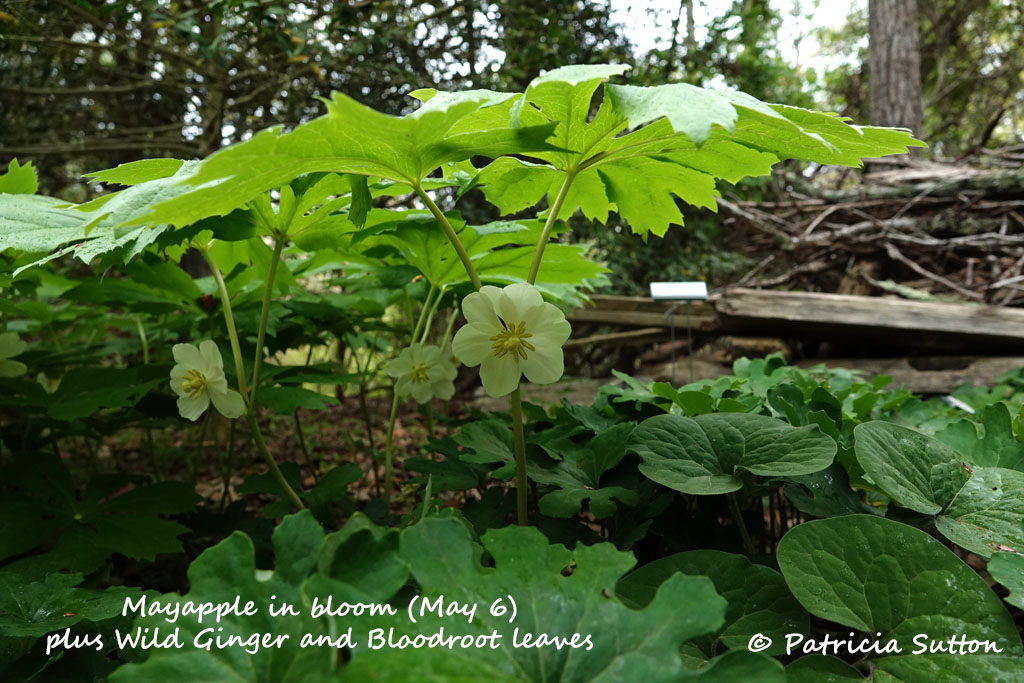 Once you’ve read all these terrific resources about just how important leaf litter is, begin shade gardening in leafy spaces on your property . . . in under your trees and shrubs (rather than continue to mow these areas) or along a path through your woods.
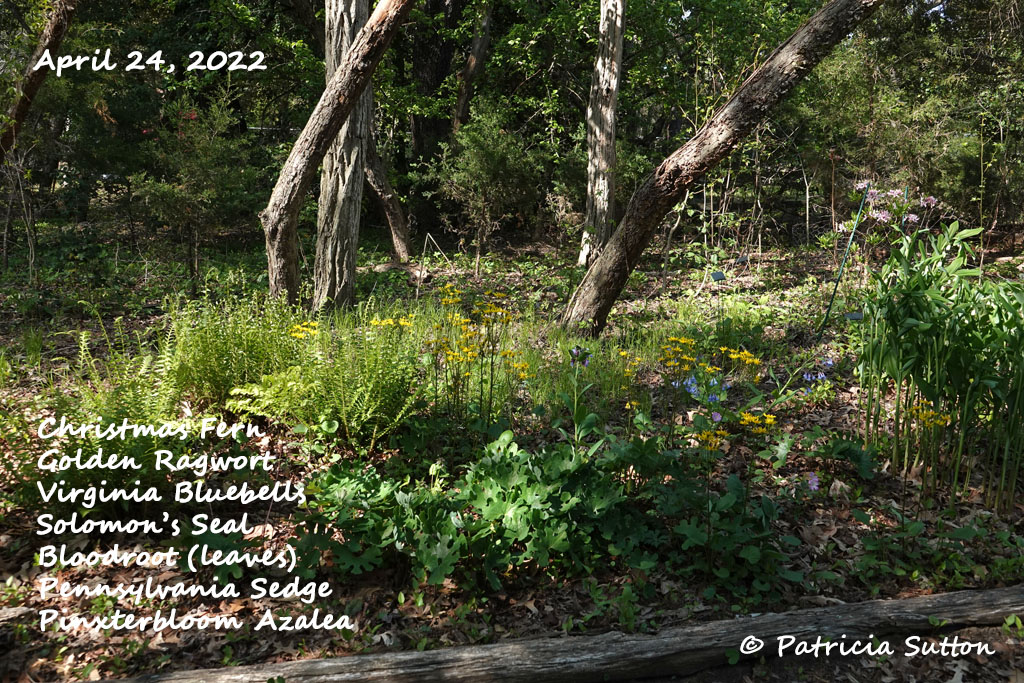
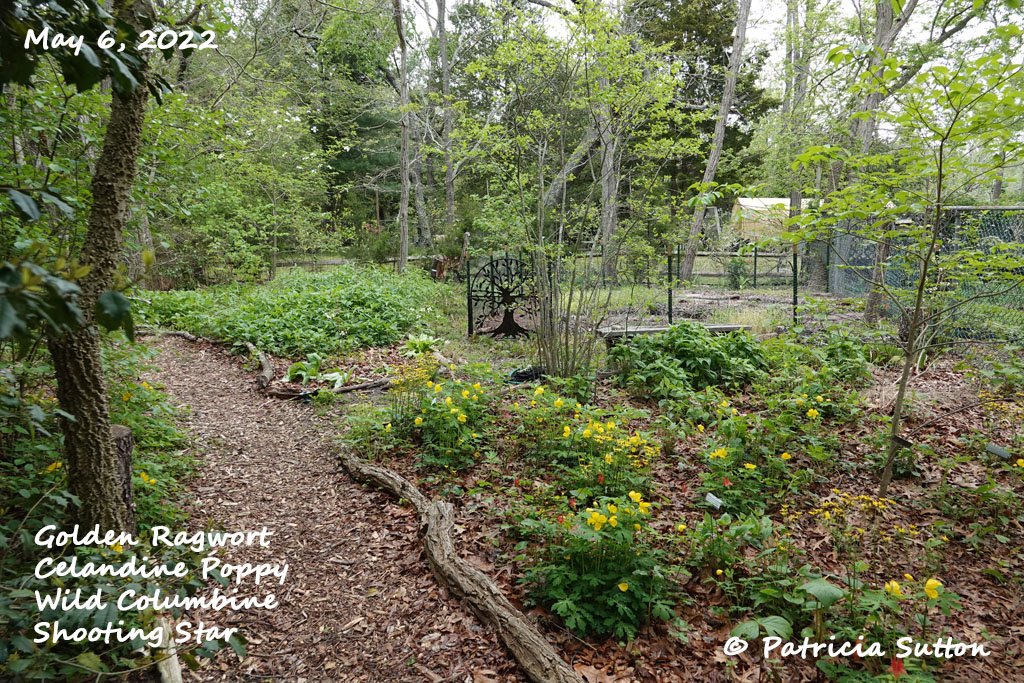
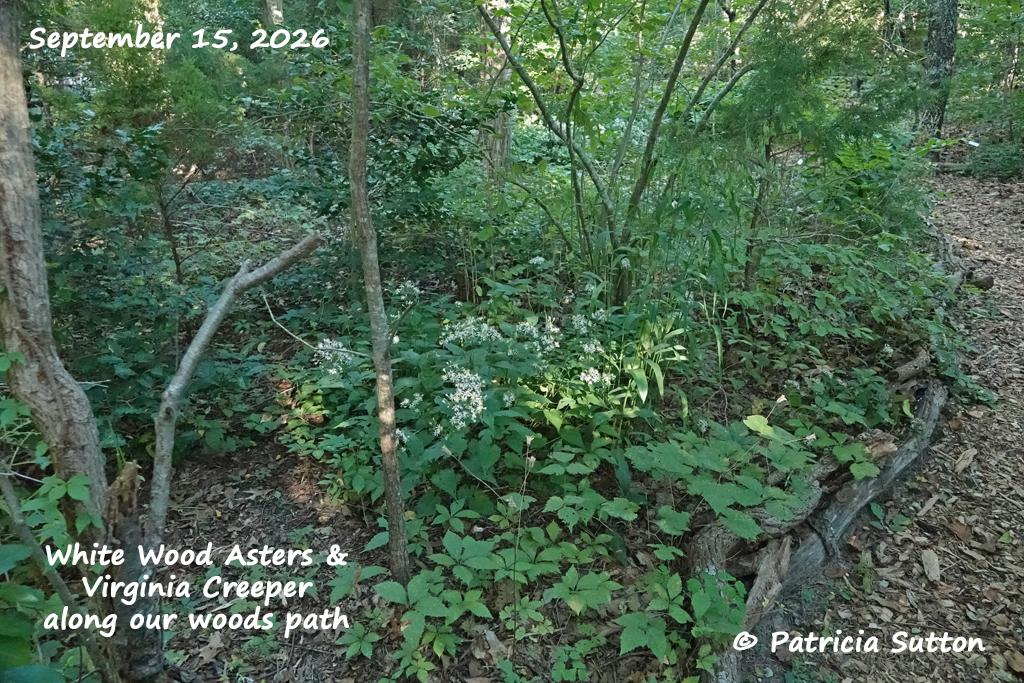
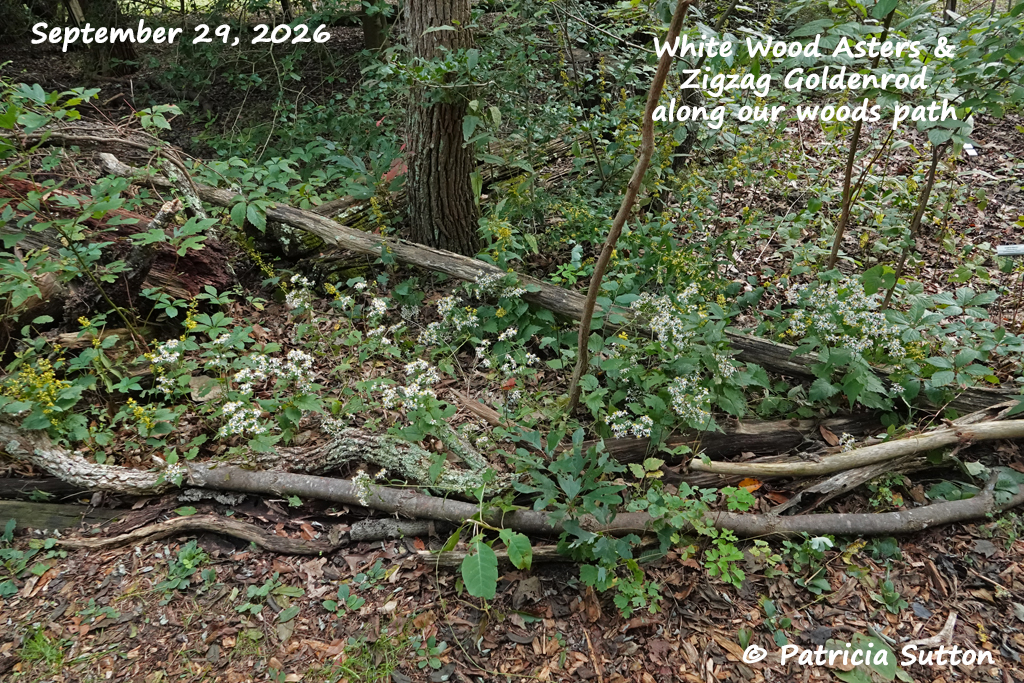
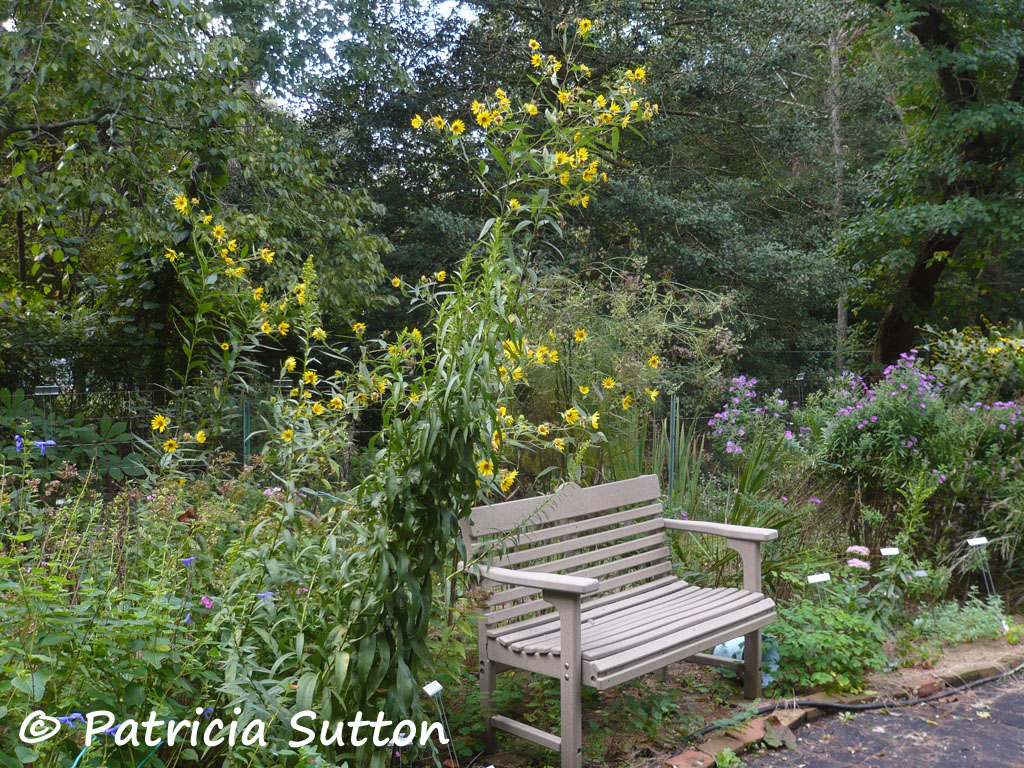
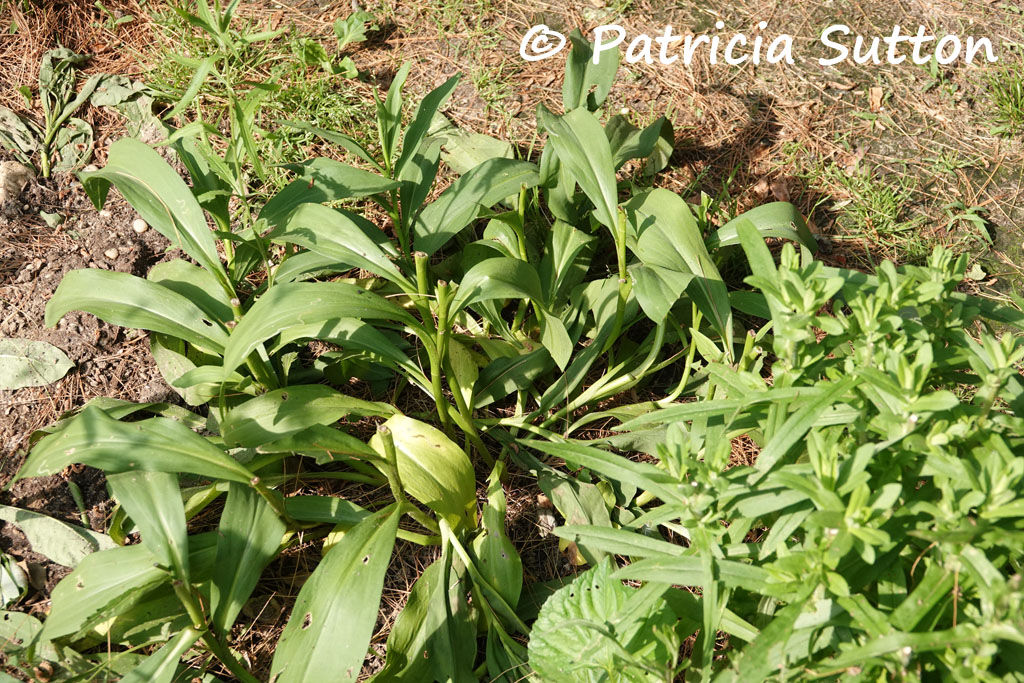
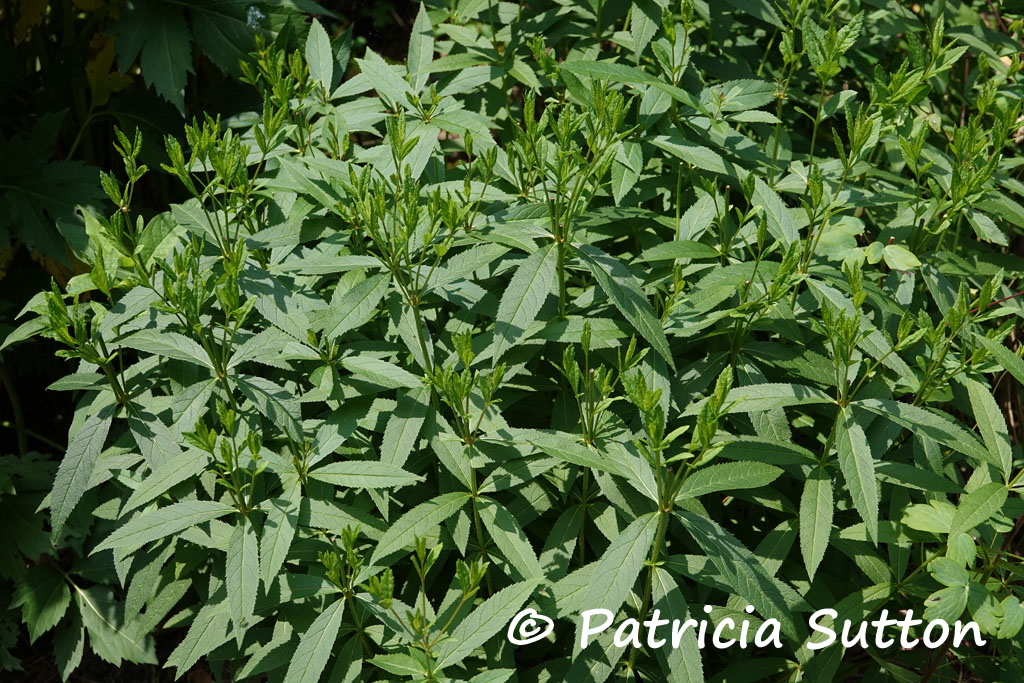
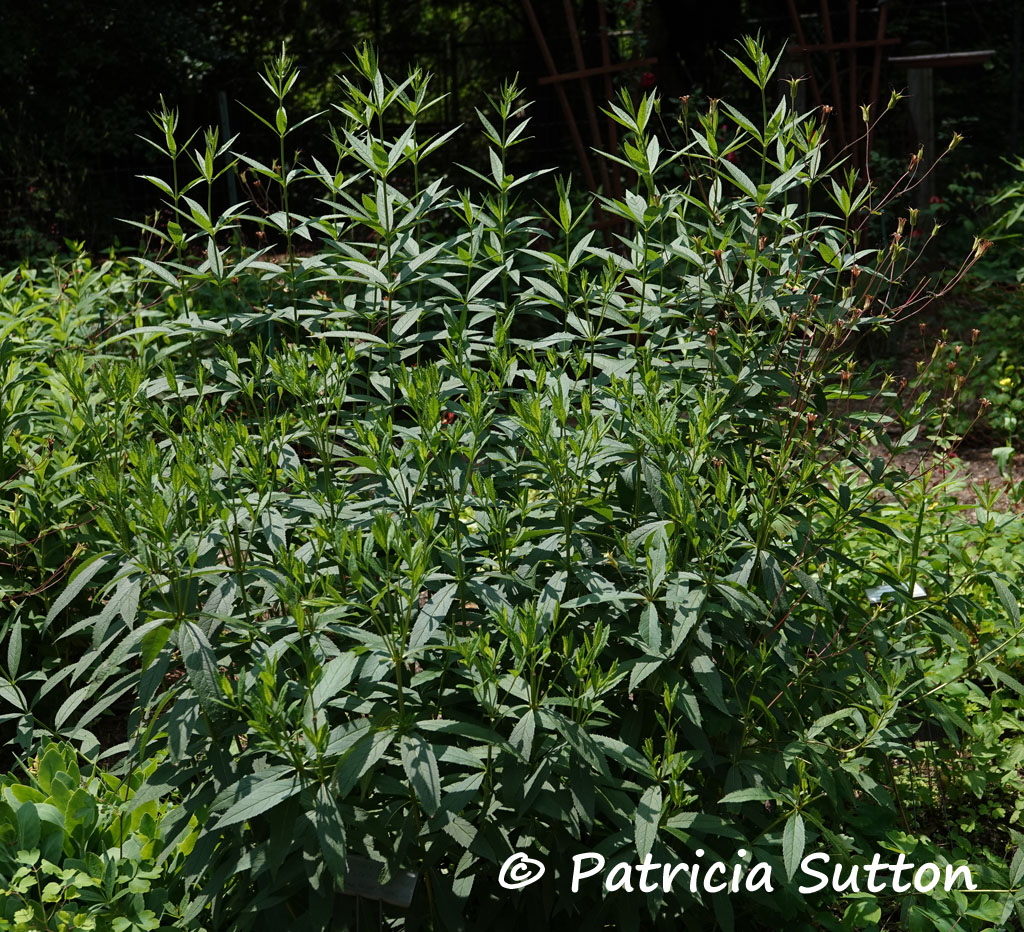
Shade-loving perennials will color your leafy spaces in the early, early spring when spring ephemerals bloom and in the fall when the many shade-loving, fall-blooming perennials bloom. Through the summer months the fall bloomers will add a lovely layer of green to your leafy areas.
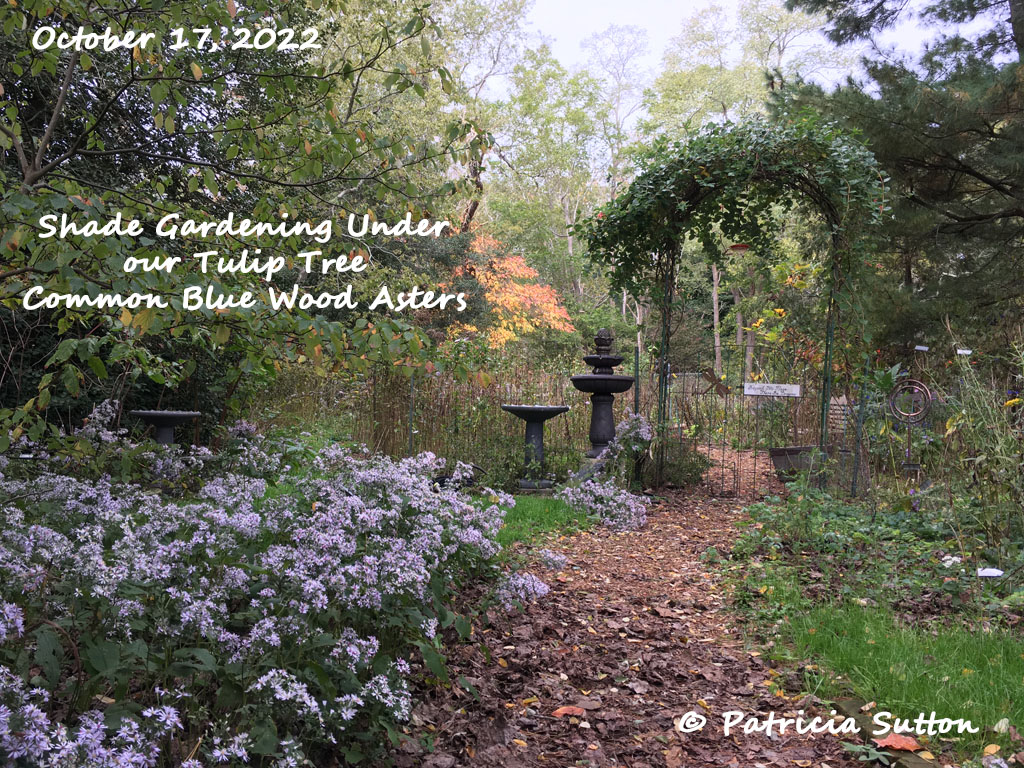
To help you along your way with SHADE GARDENING, go to my resources on this topic and learn what has survived and thrived in my shady spaces. Remember to use as many Keystone Native Plants as possible!
Now with all the time you have available because you are NOT raking your leaves (nor bagging them up and sending them away), dive in to all this reading and help convert others to LEAVE THE LEAVES!
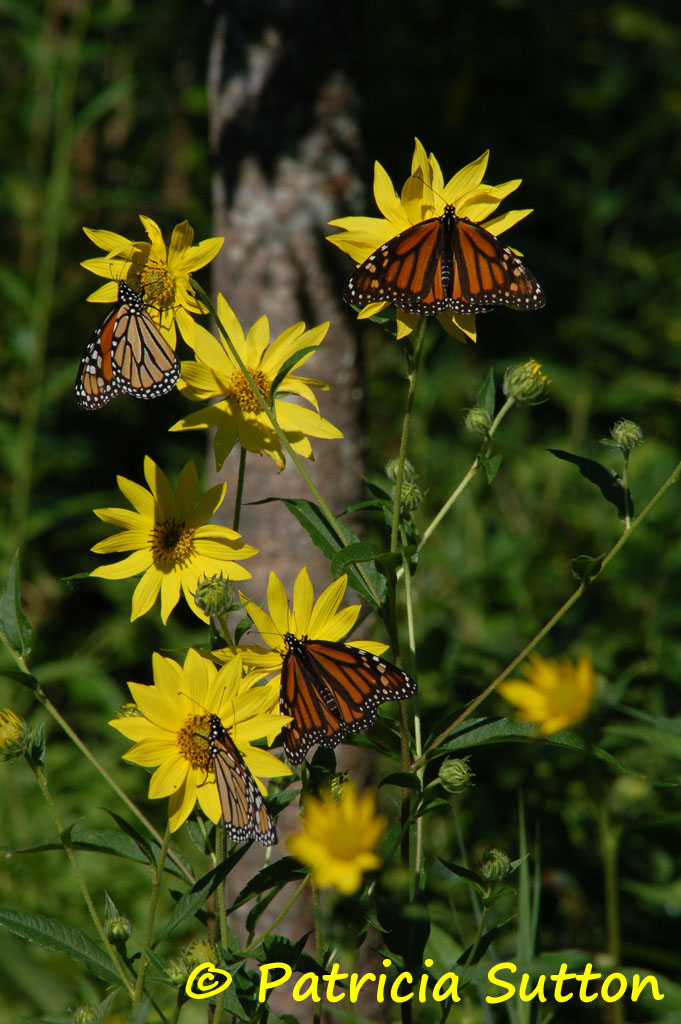
I thank you and wildlife (fireflies, bumble bees, so many butterflies & moths, etc.) thanks you!!!
As I mentioned, I have an information-rich program on this topic that is illustrated with beautiful photos of so much wildlife that benefits from abundant leaf litter. If you’d like me to share it with your group via ZOOM, contact me by replying to one of my Garden Gang alerts.
If you have any comments, I’d love for you to leave them in the “Comments” box at the end of the post.